All Categories
Featured
Protecting Hardscape Assets with Precise Irrigation Syste...
Removing Risky Limbs via Tree Planting Establishment Prot...
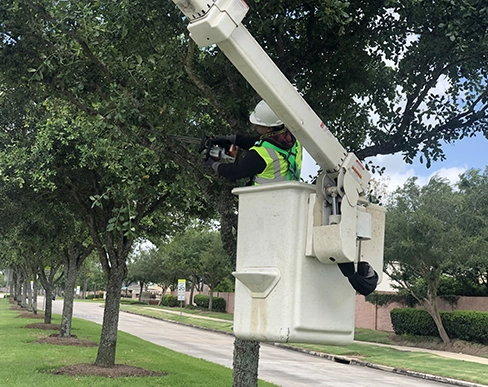
Improving Hospital Landscape Resilience Through Advanced ...

How Data-Driven Canopy Management Reduces Property Liability
Table of Contents
Many policies exclude "known risks," implying that if an institution is mindful of troublesome trees however stops working to address them, insurance protection may be denied entirely. The operational expenses of tree failures typically surpass direct property damage.
Administrators think they're conserving cash by waiting until trees end up being obvious problems, however emergency situation responses are much more pricey than preventive care. You can't manage the timing of emergencies, so they always seem to happen throughout the worst possible minutes." Organized tree health management changes tree care from crisis action to predictable, budgetable upkeep.
Routine professional tree evaluations by Licensed Arborists recognize structural problems and health problems before they end up being pricey emergencies. These assessments go far beyond visual evaluation to consist of: Evaluation of trunk stability, branch accessories, root system stability, and load-bearing capacity.
Commercial Canopy ManagementAssessment of bug invasions, illness signs, ecological tension factors, and total vitality. Numerous tree failures result from progressive health decline instead of unexpected structural problems. Methodical scoring of each tree based on failure possibility, target analysis (what could be damaged), and effect assessment. This creates prioritized action prepare for spending plan allocation.
This paperwork shows vital in liability defense and insurance claims. Organized programs stress treatments that enhance trees and prevent problems instead of responding to crises: Eliminating defective branches, enhancing weight circulation, and minimizing wind resistance before storms occur. Appropriate pruning extends tree life and minimizes the danger of failure by 40-60%.
Deploying Smart Landscape Conservation in California
Healthy trees resist environmental stress and structural issues more successfully. For organizations handling sick or damaged trees, recovery programs can frequently restore health without elimination. Cable and bracing installations for structurally jeopardized trees that have historical or visual value. These systems can extend tree life by years while keeping security.
Many campus tree issues stem with soil compaction and root damage from pedestrian traffic. Professional tree health management programs produce comprehensive records that serve multiple purposes: Comprehensive documentation of each tree's condition, advised treatments, and danger level.
Multi-year upkeep schedules that transform unpredictable emergencies into manageable yearly expenses. Administrators can spending plan for systematic care rather of facing unforeseen emergency situation bills that can considerably affect institutional finances. Many municipalities need permits for tree work, and some required expert assessment for certain removals. Methodical programs guarantee all regulative requirements are fulfilled before issues develop.
Commercial Sprinkler Maintenance for Enhanced Water Conservation
Educational institutions likewise deal with various legal standards, with courts anticipating more extensive maintenance procedures from institutional homeowner compared to individual house owners. Furthermore, campus trees typically consist of historical specimens requiring specialized care techniques and regulatory compliance across several jurisdictions. A lot of danger management specialists advise professional evaluations every 2-3 years for healthy mature trees, with annual assessments for trees revealing any signs of stress, structural flaws, or health decline.
Trees with support group or those recuperating from treatment ought to be assessed each year to monitor efficiency and change care protocols. Comprehensive documentation should consist of expert evaluation reports with threat scores, pictures, treatment recommendations, and timeline top priorities. Upkeep records recording all pruning, treatments, and interventions with dates and methods used are necessary.
Commercial Canopy ManagementInsurance provider view systematic tree health management as a proactive risk reduction procedure, which can positively impact institutional policies. Methodical programs avoid the claims that typically activate rate boosts following tree-related events. Programs also minimize the possibility of protection exemptions for "known dangers" and supply documentation supporting claims defense when events do occur.
Massachusetts and Rhode Island have different requirements for wetland buffers, tree protection ordinances, and removal license requirements. Dealing with tree care business accredited in both states, like Regal Tree & Shrub Professionals, guarantees compliance with all applicable guidelines while simplifying administrative oversight. Organized tree health management programs offer exceptional liability defense, expense savings, and operational dependability compared to reactive approaches.
Modernizing Campus Hydration Infrastructure this Year
Regal Tree & Shrub Professionals brings unique advantages to institutional tree health management. Our ISA Licensed Arborists understand both the biological intricacies of New England trees and the liability difficulties facing universities. We're certified to operate in both Massachusetts and Rhode Island, guaranteeing seamless service and regulative compliance for cross-border homes.
Let us reveal you how organized tree health management can protect your school, minimize your expenses, and supply the peace of mind that comes from expert risk management.

Table of Contents
Latest Posts
Protecting Hardscape Assets with Precise Irrigation System Audits

Removing Risky Limbs via Tree Planting Establishment Protocols
Commercial Sprinkler Repair Solutions and Maintenance
Latest Posts
Protecting Hardscape Assets with Precise Irrigation System Audits
Removing Risky Limbs via Tree Planting Establishment Protocols
Commercial Sprinkler Repair Solutions and Maintenance