All Categories
Featured
Protecting Hardscape Assets with Precise Irrigation Syste...
Removing Risky Limbs via Tree Planting Establishment Prot...

Improving Hospital Landscape Resilience Through Advanced ...
Protecting Property Safety in 2026
Table of Contents
Lots of policies leave out "recognized threats," suggesting that if an organization is aware of troublesome trees however fails to resolve them, insurance protection may be rejected entirely. The operational costs of tree failures often exceed direct property damage.
Administrators believe they're saving money by waiting until trees become apparent issues, but emergency responses are a lot more expensive than preventive care. More importantly, you can't control the timing of emergencies, so they always appear to happen throughout the worst possible moments." Organized tree health management changes tree care from crisis action to foreseeable, budgetable upkeep.
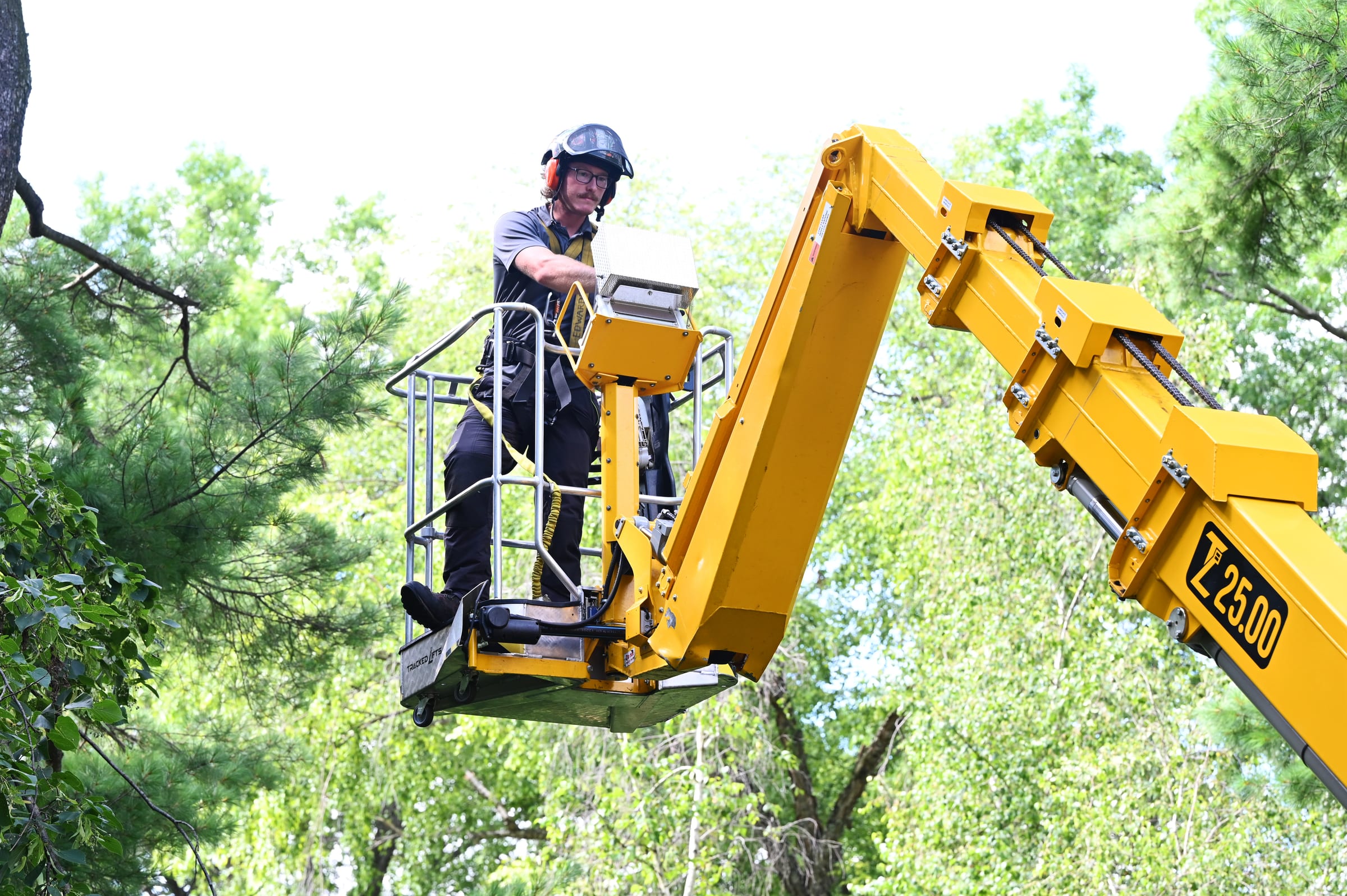
Regular expert tree assessments by Certified Arborists recognize structural concerns and health issue before they end up being pricey emergencies. The structure of any effective program is professional assessment by ISA Licensed Arborists who comprehend both tree biology and liability management. These assessments go far beyond visual examination to include: Evaluation of trunk integrity, branch accessories, root system stability, and load-bearing capability.
Evaluation of pest infestations, illness symptoms, ecological stress aspects, and overall vigor. Numerous tree failures result from steady health decline rather than abrupt structural problems. Methodical scoring of each tree based on failure possibility, target analysis (what might be damaged), and effect assessment. This produces focused on action prepare for spending plan allowance.
This documentation proves necessary in liability defense and insurance claims. Methodical programs highlight treatments that reinforce trees and prevent issues rather than reacting to crises: Getting rid of malfunctioning branches, enhancing weight distribution, and reducing wind resistance before storms take place. Appropriate pruning extends tree life and minimizes the risk of failure by 40-60%.
Professional Tree Care for Resilient Educational Campuses
Healthy trees resist ecological stress and structural issues more effectively. Cable television and bracing installations for structurally compromised trees that have historic or visual worth.
Lots of campus tree problems stem with soil compaction and root damage from pedestrian traffic. Professional tree health management programs develop thorough records that serve several functions: Comprehensive documentation of each tree's condition, suggested treatments, and danger level.
Administrators can budget plan for systematic care instead of facing unanticipated emergency expenses that can substantially impact institutional finances. Lots of towns need permits for tree work, and some required expert assessment for particular removals.
New Water System Standards for Large Landscapes
University likewise deal with different legal standards, with courts expecting more extensive maintenance procedures from institutional residential or commercial property owners compared to private house owners. In addition, school trees frequently consist of historic specimens needing specialized care techniques and regulative compliance throughout several jurisdictions. Most threat management professionals advise expert evaluations every 2-3 years for healthy mature trees, with yearly assessments for trees revealing any indications of stress, structural problems, or health decline.
Trees with assistance systems or those recovering from treatment needs to be examined every year to keep track of efficiency and adjust care protocols. Comprehensive documents ought to include professional evaluation reports with threat ratings, photographs, treatment suggestions, and timeline priorities. Upkeep records recording all pruning, treatments, and interventions with dates and approaches used are vital.
Insurance coverage business view methodical tree health management as a proactive threat decrease step, which can positively affect institutional policies. Systematic programs avoid the claims that usually trigger rate increases following tree-related incidents. Programs likewise decrease the possibility of coverage exclusions for "known hazards" and provide documents supporting claims defense when events do take place.
Massachusetts and Rhode Island have different standards for wetland buffers, tree security ordinances, and removal license requirements. Dealing with tree care companies certified in both states, like Regal Tree & Shrub Experts, makes sure compliance with all relevant policies while simplifying administrative oversight. Organized tree health management programs supply remarkable liability protection, expense savings, and operational dependability compared to reactive approaches.
Modernizing Campus Irrigation Networks this Year
Regal Tree & Shrub Experts brings distinct benefits to institutional tree health management. Our ISA Certified Arborists understand both the biological intricacies of New England trees and the liability challenges dealing with universities. We're certified to operate in both Massachusetts and Rhode Island, ensuring seamless service and regulative compliance for cross-border properties.
Let us show you how systematic tree health management can safeguard your campus, reduce your costs, and supply the assurance that comes from professional risk management.

Table of Contents
Latest Posts

Protecting Hardscape Assets with Precise Irrigation System Audits

Removing Risky Limbs via Tree Planting Establishment Protocols

Commercial Sprinkler Repair Solutions and Maintenance
Latest Posts
Protecting Hardscape Assets with Precise Irrigation System Audits
Removing Risky Limbs via Tree Planting Establishment Protocols
Commercial Sprinkler Repair Solutions and Maintenance